





Wild Lettuce vs Prickly Lettuce vs Garden Lettuce is a label-reading question with real safety value. The phrase “wild lettuce” can point to different Lactuca species, online foraging posts, dried herb extracts, or ordinary salad lettuce. If you are comparing a supplement bottle with something you read online, the common name is not enough.
For a product label, the strongest clue is the botanical name. Wild lettuce products often focus on Lactuca virosa dried herb, while prickly lettuce is commonly associated with Lactuca serriola. Garden lettuce is usually Lactuca sativa, the familiar food crop. HerbEra’s wild lettuce tincture context shows why this matters: a label that says Lactuca virosa dried herb is more specific than a product or article that says only “wild lettuce.”
This guide explains the difference between common names, botanical names, plant parts, raw plant warnings, extract formats, and label red flags so you can avoid confusing similar-looking terms.
Are Wild Lettuce, Prickly Lettuce, and Garden Lettuce the Same?
No. Wild lettuce, prickly lettuce, and garden lettuce can all belong to the Lactuca group, but they are not the same label identity. The common names can overlap in casual writing, while botanical names separate the plants more clearly.
Wild lettuce is often used for Lactuca virosa in herbal supplement contexts. Prickly lettuce is commonly used for Lactuca serriola. Garden lettuce usually means Lactuca sativa, the edible salad plant grown in many varieties.
The practical answer
If you want to know what is in a bottle, look for the botanical name and plant part. Do not assume that “wild lettuce” on a blog, “prickly lettuce” in a foraging guide, and “lettuce” in a grocery store all mean the same ingredient.
A careful label should tell you the plant species, plant part, preparation format, and suggested use.
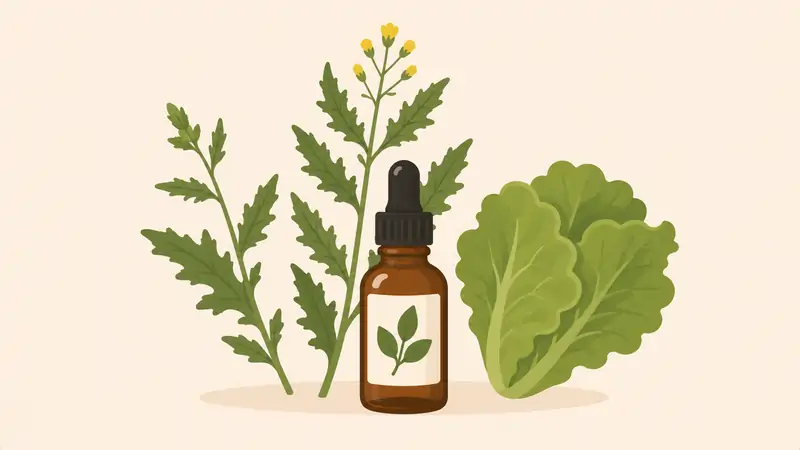
Why Does the Botanical Name Matter?
The botanical name matters because common names are flexible. One person may use “wild lettuce” broadly for several wild Lactuca plants. A seller may use it for a specific extract. A gardener may hear lettuce and think of edible salad greens.
Botanical names reduce that confusion. Lactuca virosa, Lactuca serriola, and Lactuca sativa are different plant identities. A product label that includes the botanical name gives you a clearer basis for comparison.
How to read a botanical name
In Lactuca virosa, Lactuca is the genus and virosa is the species. In Lactuca serriola, serriola is the species. In Lactuca sativa, sativa is the species.
The second word matters. Do not stop at Lactuca alone.
What Is Wild Lettuce on a Supplement Label?
On a supplement label, wild lettuce often refers to Lactuca virosa. The label may say wild lettuce herb, Lactuca virosa dried herb, wild lettuce extract, liquid extract, tincture, alcohol-free extract, or glycerite.
The best label is specific. It should show the botanical name, plant part, liquid base, serving size, suggested use, warning section, lot number, and expiration date.
Dried herb wording
Dried herb means the above-ground plant material was dried before use. It does not mean raw fresh plant, salad lettuce, prickly lettuce, or a homemade foraging preparation.
When a label says Lactuca virosa dried herb, it identifies both the plant and plant material more clearly than “wild lettuce” alone.
What Is Prickly Lettuce?
Prickly lettuce is commonly associated with Lactuca serriola. It is a wild Lactuca species that may appear in plant identification guides, weed references, and foraging discussions.
Prickly lettuce should not be automatically treated as the same thing as a labeled Lactuca virosa extract. The names may appear near each other in online discussions, but a supplement label should identify the exact species used.
Foraging confusion
Foraging content often uses common names and visual descriptions. That can be risky for beginners because plant identification requires more than a similar leaf shape or milky sap.
Do not harvest or use a wild plant unless a qualified local expert has confirmed the plant identity and local safety context.
What Is Garden Lettuce?
Garden lettuce usually means Lactuca sativa, the edible lettuce grown for salads, wraps, and leafy greens. It includes many familiar types such as romaine, butterhead, looseleaf, and crisphead lettuce.
Garden lettuce is a food crop. It should not be confused with a wild lettuce tincture label unless the label specifically says Lactuca sativa.
Common food vs supplement ingredient
Eating garden lettuce in a salad is not the same as using a wild lettuce extract. The plant identity, plant part, preparation, serving, and intent are different.
If a product says wild lettuce tincture, check whether it means Lactuca virosa rather than ordinary garden lettuce.
Wild Lettuce vs Prickly Lettuce vs Garden Lettuce: Quick Comparison
Use this table to separate the three names before comparing products, articles, or foraging references.
| Common name | Common botanical link | Typical context | What to verify |
|---|---|---|---|
| Wild lettuce | Lactuca virosa in many supplement contexts | Dried herb, tincture, extract, herbal label | Botanical name, plant part, base, warnings |
| Prickly lettuce | Lactuca serriola | Plant ID, weeds, foraging, wild plants | Species identity and safe identification |
| Garden lettuce | Lactuca sativa | Food crop, salads, edible greens | Food use vs supplement use |
| Lettuce | Could refer broadly to Lactuca plants | Food, gardening, herbal, or casual language | Exact species and context |
The strongest comparison starts with the botanical name, not the common name.
What Does Lactuca Virosa Mean?
Lactuca virosa is a botanical name commonly linked to wild lettuce in herbal product labels. If a bottle says Lactuca virosa dried herb, it gives a more precise identity than the common phrase wild lettuce.
That precision matters because online content may use wild lettuce broadly. A consumer should not assume that every wild lettuce post, seed listing, tincture label, or raw plant image refers to Lactuca virosa.
Label clue
Look for Lactuca virosa beside the common name. Then check whether the label says dried herb, extract, tincture, alcohol-free, glycerin, water, alcohol, serving size, and warnings.
HerbEra’s Lactuca virosa dried herb positioning is a useful example of label specificity: the botanical name and plant part help define the ingredient more clearly than the common name alone.
What Does Lactuca Serriola Mean?
Lactuca serriola is commonly known as prickly lettuce. It may appear in plant guides and discussions about wild Lactuca species. It can look similar enough to confuse beginners who rely only on casual images.
If a product label says Lactuca serriola, do not assume it is the same as a product labeled Lactuca virosa. They are related, but they are not the same species.
Do not swap species
Species names are not interchangeable. A product, plant guide, or tincture should identify the exact species it is discussing.
If the species is missing, ask the seller or skip the product.
What Does Lactuca Sativa Mean?
Lactuca sativa is the botanical name for garden lettuce. It includes common edible lettuce types sold as food. It is the lettuce people usually mean when they talk about salad greens.
A supplement label that uses wild lettuce terminology should not be confused with Lactuca sativa unless the label specifically names that species.
Food identity
Garden lettuce is a culinary plant. A wild lettuce extract is a supplement-style product. The label context matters as much as the name.
Do not compare a salad ingredient to a tincture serving without reading the exact product label.
Dried Herb, Extract, Tincture, and Raw Plant Compared
The product format changes what you are looking at. Dried herb, liquid extract, tincture, capsule, tea, and raw plant are not the same format.
| Format | Plain meaning | Label or safety issue |
|---|---|---|
| Dried herb | Dried above-ground plant material | Check species and plant part |
| Liquid extract | Plant material extracted into a liquid base | Check alcohol, glycerin, water, and serving |
| Tincture | Liquid herbal extract, often alcohol-based unless stated otherwise | Check alcohol-free wording if needed |
| Glycerite | Alcohol-free extract using glycerin as a major carrier | May taste sweet because of glycerin |
| Raw wild plant | Fresh plant material gathered from the environment | High identification and contamination risk |
| Garden lettuce | Food crop sold for eating | Not the same as a wild lettuce extract |
Format matters because it affects serving, label requirements, use directions, and risk.
Why DIY Wild Harvesting Is Not a Good Shortcut
DIY wild harvesting is risky for beginners because similar-looking plants can be misidentified. Wild plants may also grow near roads, sprayed areas, industrial sites, animal waste, contaminated soil, or polluted water.
A supplement label and a wild plant in the field are not the same thing. A label should identify the ingredient and provide directions. A raw plant requires accurate identification, local knowledge, and safety judgment.
Identification is not casual
Plant identification should not rely on one photo, one app result, or one common-name match. Leaf shape, stem features, flowers, sap, growth stage, habitat, and regional plant look-alikes all matter.
If you are not trained in plant identification, do not harvest wild lettuce for personal use.
What Label Details Should You Check Before Buying?
A clear wild lettuce label should show the common name, botanical name, plant part, product format, liquid base, serving size, suggested use, warnings, storage directions, lot number, and expiration date.
The most useful terms are wild lettuce, Lactuca virosa, dried herb, liquid extract, tincture, alcohol-free, glycerin, purified water, alcohol, serving size, and Supplement Facts.
Best label wording
A strong label might say Lactuca virosa dried herb liquid extract with a clearly stated base and serving directions.
A weak label might say only wild lettuce drops with no botanical name, no plant part, and no warning section.
What Are the Biggest Label Red Flags?
Red flags include no botanical name, no plant part, no Supplement Facts panel, unclear base, no serving size, broad medical claims, no warnings, missing expiration date, no lot number, damaged packaging, or product images that do not match the written description.
Also be cautious when a product uses wild lettuce, prickly lettuce, and garden lettuce language loosely without clarifying Lactuca virosa, Lactuca serriola, or Lactuca sativa.
Do not solve unclear labels with assumptions
Ask the seller for a current label photo and ingredient details. If the answer stays vague, choose a clearer product.
For herbal supplements, vague labels are not worth guessing about.
What Claims Should You Treat Carefully?
Be cautious with broad claims about pain, sleep, anxiety, relaxation, sedation, opioid-like effects, detox, cleanse, nerve support, or guaranteed results. These claims can push shoppers to ignore the label details that matter most.
Wild lettuce tincture, prickly lettuce, garden lettuce, raw plant material, extracts, or capsules should not be used to treat, cure, prevent, diagnose, reverse, detox, cleanse, flush, or manage any health condition.
Use label facts first
Read botanical name, plant part, serving directions, warnings, and product condition before considering marketing language.
If you have symptoms, medication use, pregnancy or nursing status, or a medical condition, ask a qualified healthcare professional before using a supplement.
Who Should Ask Before Using a Wild Lettuce Extract?
Ask a qualified healthcare professional before using wild lettuce extract if you are pregnant, nursing, taking medication, managing a medical condition, preparing for surgery, buying for a child, or using multiple supplements.
Also ask first if you have allergies to plants in the daisy family, a history of strong reactions to herbs, liver or kidney concerns, sleep-related medication use, or a sensitive response to sedating products.
Bring the full label
Bring the exact label, including botanical name, plant part, base, serving size, warnings, lot number, and expiration date.
A clinician cannot evaluate a product well from the words “wild lettuce” alone.
How to Compare a Product Label with Online Information
Online articles may discuss wild lettuce broadly. Product labels should be more specific. When comparing the two, check whether both refer to the same botanical name and plant part.
If an article discusses Lactuca serriola but your bottle says Lactuca virosa, the information may not match. If a recipe discusses garden lettuce, it does not match a wild lettuce tincture.
Comparison method
First match the botanical name. Then match the plant part. Then match the format. Then compare serving and warnings.
This prevents confusion between plant identification content, food content, and supplement labels.
Questions to Ask a Seller
Ask direct questions when a label is unclear. A good answer should identify the plant species, plant part, extract format, liquid base, serving directions, and warning context.
Do not accept broad reassurance such as “pure wild lettuce” or “natural herb” if the botanical name and plant part are missing.
Useful questions
Ask: “Is the botanical name Lactuca virosa?” Ask: “Is the plant part dried herb?” Ask: “Is this a liquid extract, alcohol tincture, or alcohol-free glycerite?” Ask: “Does the current bottle label show the same ingredient details as the product page?”
If the seller cannot answer these questions, the product may not be clear enough for careful use.
Checklist: How to Read Wild Lettuce, Prickly Lettuce, and Garden Lettuce Labels
Use this checklist when comparing wild lettuce tinctures, plant guides, supplement labels, and garden lettuce references. It helps you confirm whether the source is discussing the same plant, plant part, and product format.
Find the botanical name
Look for Lactuca virosa, Lactuca serriola, or Lactuca sativa. The species name is more reliable than the common name.
Confirm the plant part
Look for dried herb, leaf, aerial parts, latex, seed, or another plant part. Do not assume every lettuce-related product uses the same material.
Identify the format
Check whether you are reading about tincture, liquid extract, glycerite, capsule, tea, raw plant, or food lettuce. Format changes the context.
Check the liquid base
For tinctures, look for alcohol, glycerin, water, or alcohol-free wording. The base affects taste, use preference, and label interpretation.
Separate product labels from foraging content
A bottled extract and a wild plant guide are not the same source type. Do not use foraging descriptions as product directions.
Watch for medical claims
Be careful with claims about pain, sleep, anxiety, sedation, detox, or guaranteed results. Claims do not prove safety or identity.
Review warnings
Check pregnancy, nursing, medication, surgery, child-use, allergy, and medical-condition cautions before using any supplement.
Inspect product condition
Check the safety seal, cap, dropper, smell, liquid appearance, lot number, expiration date, and label readability before use.
FAQ
Is wild lettuce the same as prickly lettuce?
No. Wild lettuce often refers to Lactuca virosa in supplement contexts, while prickly lettuce commonly refers to Lactuca serriola.
Is wild lettuce the same as garden lettuce?
No. Garden lettuce is usually Lactuca sativa, the edible salad crop. Wild lettuce extract is a different label context.
What does Lactuca virosa mean?
Lactuca virosa is a botanical name commonly used for wild lettuce in herbal product labels.
What does Lactuca serriola mean?
Lactuca serriola is commonly known as prickly lettuce and may appear in plant identification or foraging contexts.
What does Lactuca sativa mean?
Lactuca sativa is garden lettuce, the common food crop used in salads and leafy green products.
What does dried herb mean on a wild lettuce label?
Dried herb means dried plant material, often above-ground parts, used in the supplement or extract.
Can I gather wild lettuce myself?
Do not harvest wild plants unless a qualified local expert confirms the identity and safety context.
What is the biggest label red flag?
The biggest red flag is a product that says wild lettuce but gives no botanical name, plant part, serving directions, or warnings.
Can wild lettuce products be used for health conditions?
Do not use wild lettuce products to treat, cure, prevent, diagnose, reverse, detox, cleanse, flush, or manage any condition.
Glossary
Wild lettuce
A common name often used for Lactuca virosa in herbal supplement contexts, but it can be used loosely online.
Lactuca virosa
A botanical name commonly linked to wild lettuce on herbal product labels.
Prickly lettuce
A common name usually associated with Lactuca serriola, a wild Lactuca species.
Lactuca serriola
The botanical name commonly linked to prickly lettuce.
Garden lettuce
The common edible lettuce crop usually identified as Lactuca sativa.
Conclusion
Wild Lettuce vs Prickly Lettuce vs Garden Lettuce comes down to botanical name, plant part, and format. Look for Lactuca virosa dried herb on a wild lettuce label, and do not confuse it with Lactuca serriola, Lactuca sativa, or DIY wild-harvested plants.
Sources Used
Botanical identity reference for Lactuca virosa, Lactuca virosa plant profile – Plants of the World Online
Botanical identity reference for Lactuca serriola, Lactuca serriola plant profile – Plants of the World Online
General dietary supplement labeling guidance, Dietary Supplement Labeling Guide – FDA
Botanical identity reference for garden lettuce, Lactuca sativa plant profile – Plants of the World Online